
Haman and Mordecai’s Rivalry
Book of EstherThis flow traces the escalating personal antagonism between Haman and Mordecai and the political reversal that ends it.
increasing Bearing strength in each event
 decreasing
Bearing strength in each eventdecreasingA Required Gesture
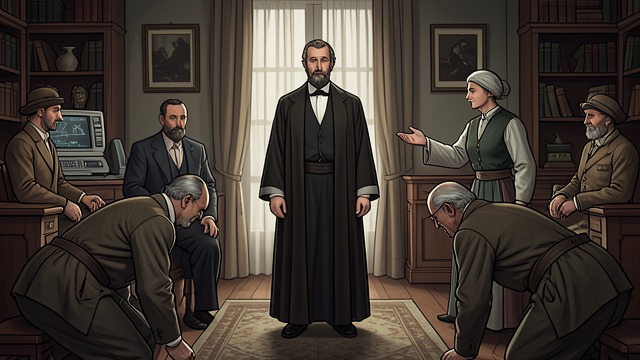
The Court Divides over Honor
A Royal Command
Ahasuerus orders the court to bow to Haman. Other servants comply, making Mordecai’s refusal conspicuous.
An Unexplained Boundary
The essay disputes the claim that the gesture must have been religious worship. It presents the disagreement as a conflict about civil honor, with Mordecai’s motives left uncertain by the narrative.
Haman’s Personal Anger
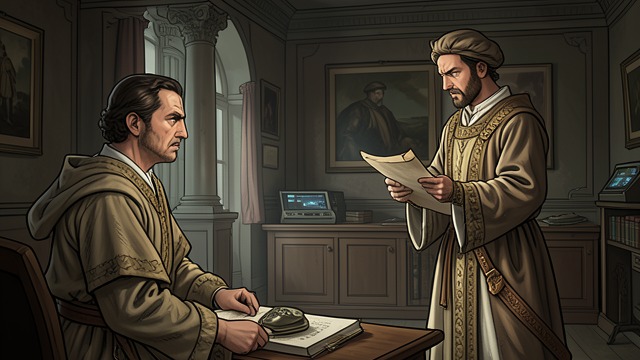
Contempt Becomes Enmity
A Repeated Offense
Haman sees that Mordecai will not rise or move for him and becomes furious. Mordecai’s conduct repeatedly denies Haman the deference he expects.
From Rivalry to Revenge
Haman considers it insufficient to punish Mordecai alone and turns against the people to whom he belongs. The rivalry becomes a threat that extends far beyond the two men.
A Gallows for the Rival
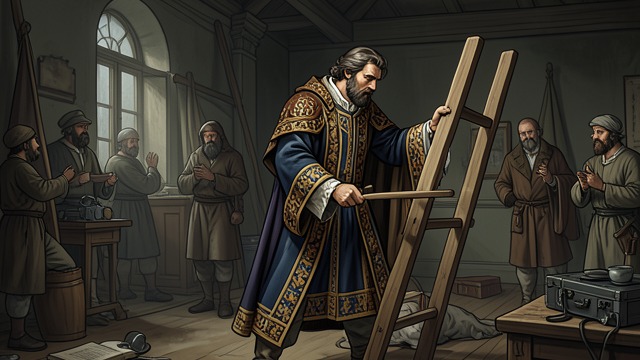
Haman Plans Mordecai’s Death
Pride Reinforced
Even amid wealth and royal favor, Haman says Mordecai’s refusal ruins his satisfaction. His self-image depends on controlling the response of one man.
A Violent Solution
At the urging of his household, Haman prepares a gallows and plans to seek the king’s permission to execute Mordecai. Personal resentment moves toward immediate violence.
The Rival Leads the Parade
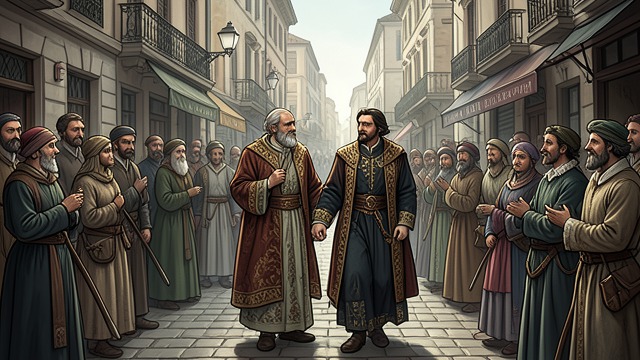
Haman Must Honor Mordecai
A False Expectation
Haman assumes that he is the person the king intends to honor and describes a lavish public ceremony. The king instead names Mordecai.
Reversal before the City
Haman is required to lead his rival through the streets and proclaim the king’s favor. Their rivalry reaches a public reversal as Haman’s own words define Mordecai’s honor.
The Final Reversal
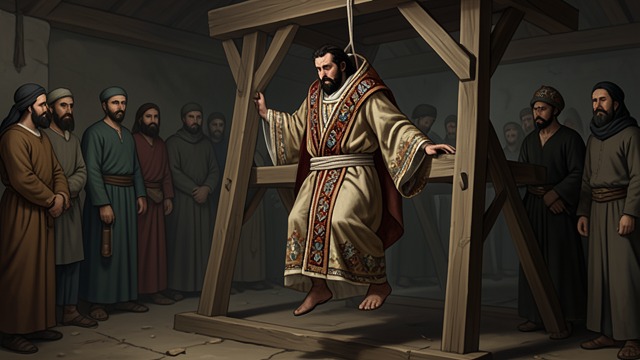
Haman’s Enmity Ends in His Death
The Accusation Reaches the King
Esther names Haman as the enemy behind the threat to her people. The king’s response turns royal power away from Haman.
Violence Returns to Its Author
Haman is executed on the gallows he prepared for Mordecai. The rivalry ends with the destruction of the man who tried to convert personal hatred into a national policy.
After Haman’s promotion
When Haman sees Mordecai at the king’s gate
After Haman’s first banquet with Esther and Ahasuerus
The morning Haman arrives to seek Mordecai’s execution
After Esther exposes Haman’s plot
